The hunt for the Elixir of Life has officially crossed a terrifying threshold. What once felt like a deadly survival mission has transformed into a full-scale philosophical nightmare. Hell’s Paradise Season 2 doesn’t just raise the stakes—it completely redefines them.
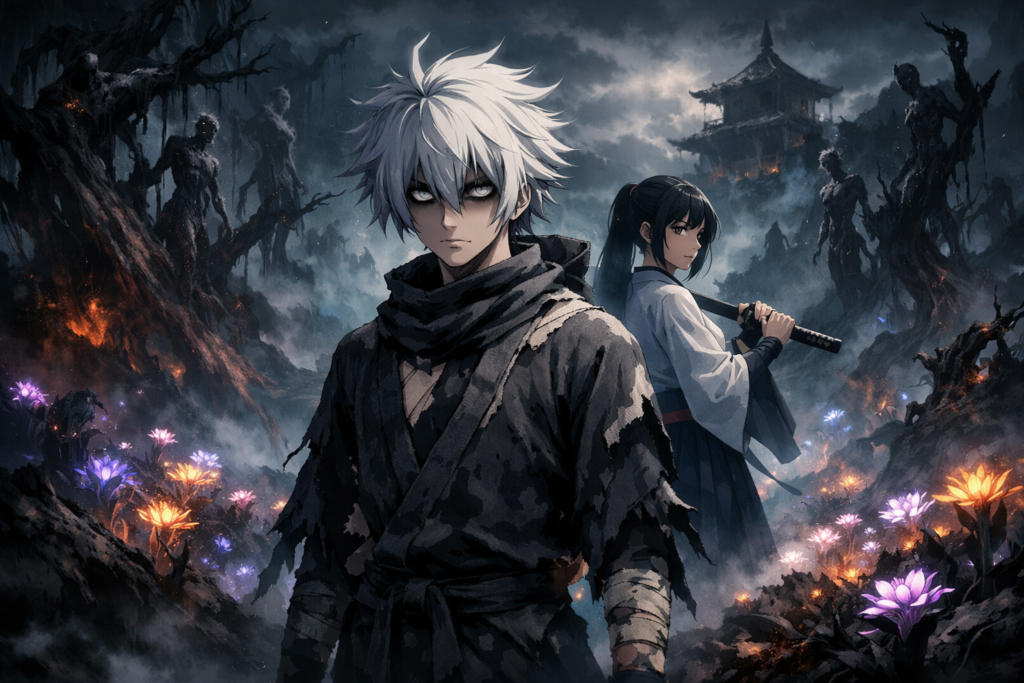
These opening episodes dive deep into identity, memory, and the horrifying cost of immortality, making the island feel less like a battlefield and more like a soul-grinding machine.
Below are five major revelations from Episodes 1–3 that change everything we thought we knew.
1. Gabimaru’s Return to “The Hollow”
The most emotionally devastating twist of Season 2 is Gabimaru’s identity collapse. After relentless trauma, he loses the memory of his wife—his emotional anchor to humanity. This regression brings back Gabimaru the Hollow: cold, detached, and ready to die without resistance.
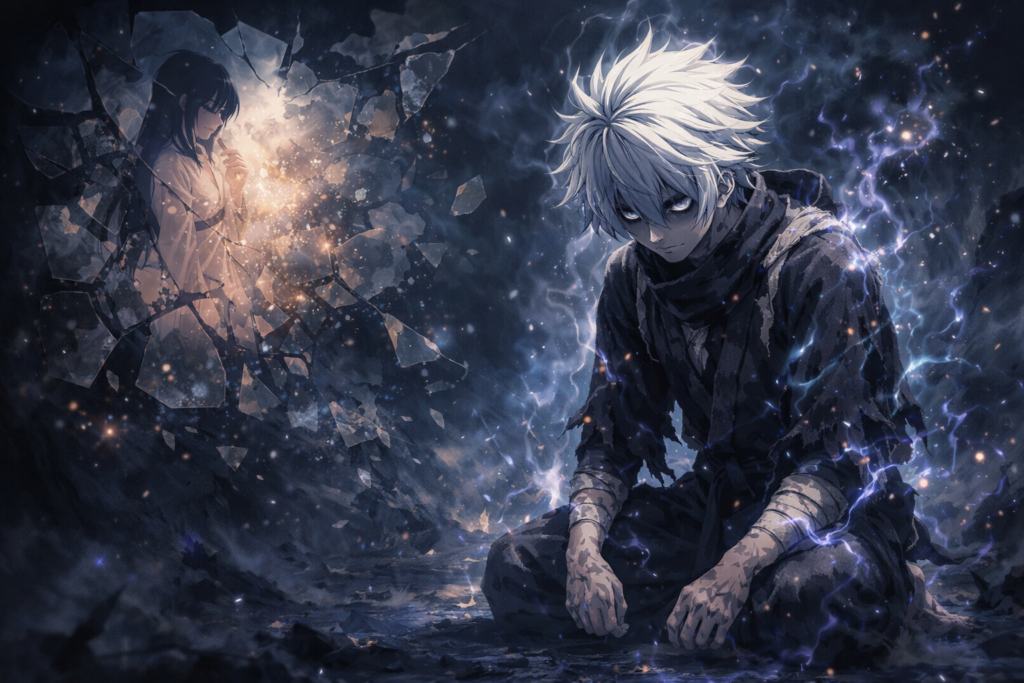
In the world of Hell’s Paradise, power comes from Tao, and Tao needs emotional balance. Without love, Gabimaru’s Tao becomes unstable. He isn’t just weaker—he’s mentally unraveling. His fighting style grows reckless, animalistic, and self-destructive. For the first time, survival isn’t his goal, and that makes him dangerously vulnerable.
This arc reframes Gabimaru not as an invincible assassin but as a broken human struggling to remember why life matters.
2. Chobe Aza’s Monstrous Evolution
While Gabimaru fades, Chobe Aza evolves.
Chobe’s transformation is one of the most disturbing visuals so far—tentacle-like limbs, extreme regeneration, and near-immortality resembling the Tensen. The key difference? Chobe hasn’t lost himself. His motivation is brutally simple: protect his brother.
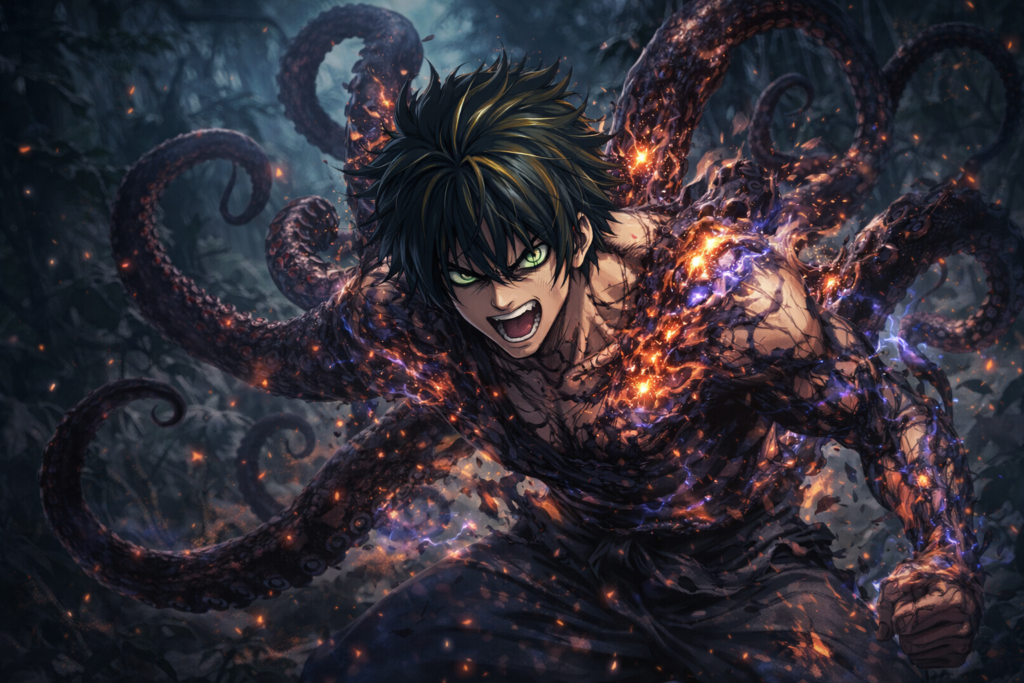
Unlike most humans who mutate and lose consciousness, Chobe forces his will onto the island’s corruption. He doesn’t surrender to the mutation—he controls it. This makes him an anomaly even the Tensen can’t easily predict, turning him into a walking contradiction of the island’s rules.
3. The Elixir of Life’s Horrific Secret
Season 2 finally exposes the truth behind the Elixir of Life—and it’s pure horror.
The elixir isn’t a natural miracle. It’s liquid life force, harvested by recycling human beings. Victims are transformed into flowers and trees, and their souls are distilled into “Tan,” the substance that grants immortality.
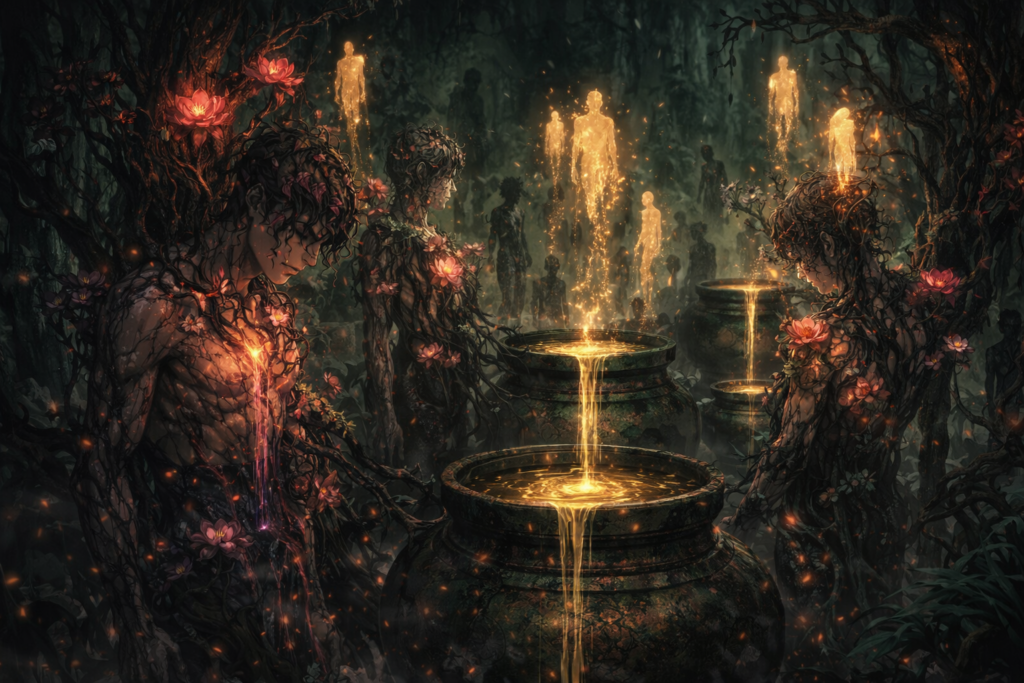
The irony is brutal: the Shogunate’s dream of eternal life is built on mass human sacrifice. The island itself is a giant laboratory, designed thousands of years ago to perfect this grotesque system. Immortality, it turns out, is just another word for exploitation.
4. Tao Synchronization: Sagiri and Gabimaru’s Bond
As Gabimaru’s mind fractures, Sagiri becomes his last lifeline.
Instead of the Tensen’s cold Tao circulation rituals, Sagiri and Gabimaru stabilize their Tao through shared purpose and trust. Their synchronization isn’t romantic—it’s emotional and spiritual. By grounding Gabimaru, Sagiri helps him cling to his fading humanity.
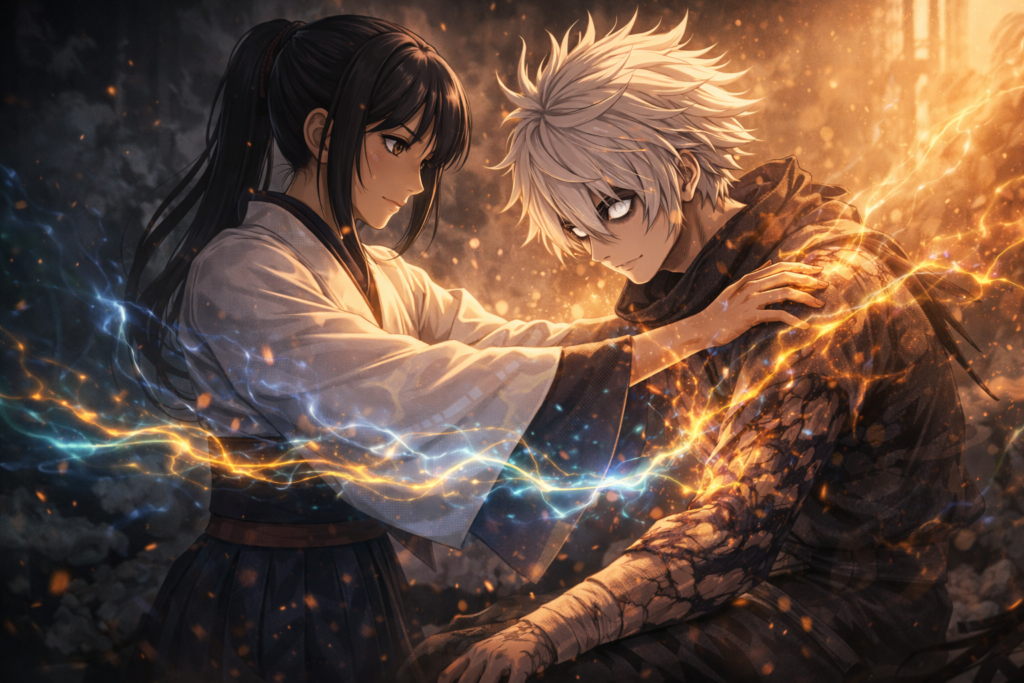
This connection suggests something powerful: Tao doesn’t only respond to biology or technique. It responds to human connection. In a place that erases identity, this bond becomes an act of rebellion.
5. The True Origin of the Tensen
The Tensen are not gods. They are experiments.
Season 2 reveals that the Tensen were created by fusing human and plant Tao, stripping away individuality in favor of efficiency. Life, to them, is just fuel.
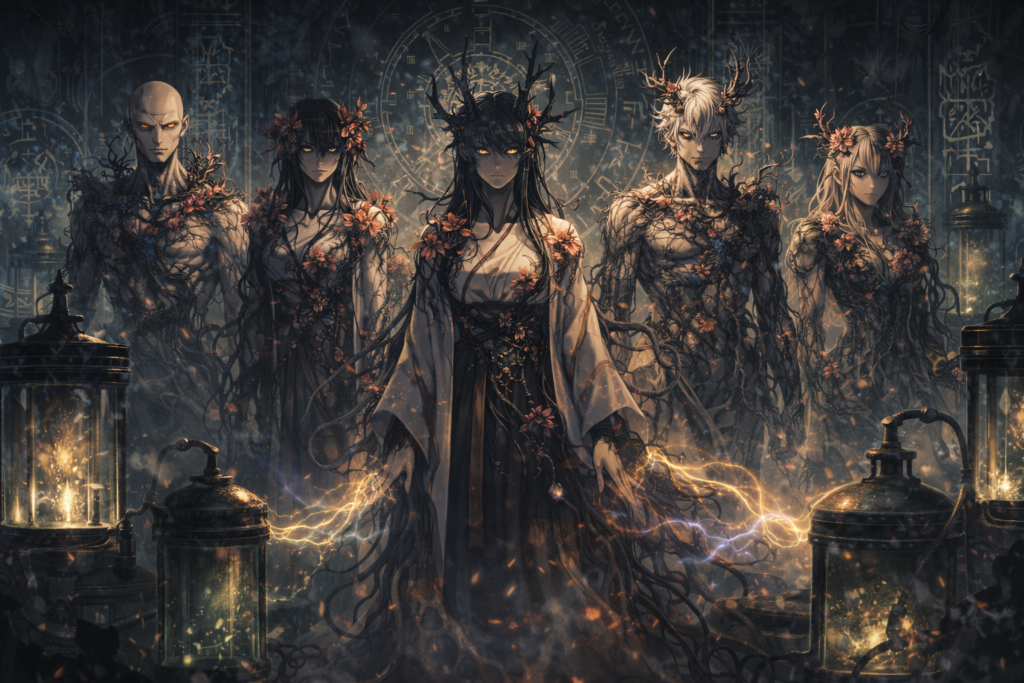
This belief is challenged through sacrifice. One resident, slowly turning into a tree over centuries, gives up his remaining Tao to save another. In doing so, he proves that family and meaning are born from choice—not design.
It’s a quiet moment, but one that directly contradicts the island’s philosophy.
A New Threat Emerges
Just when survival feels possible, the game resets.
A second wave of executioners arrives, led by a ruthless new commander—and accompanied by elite ninjas from Gabimaru’s own village. These are the people who created him, trained him, and know exactly how to destroy him.
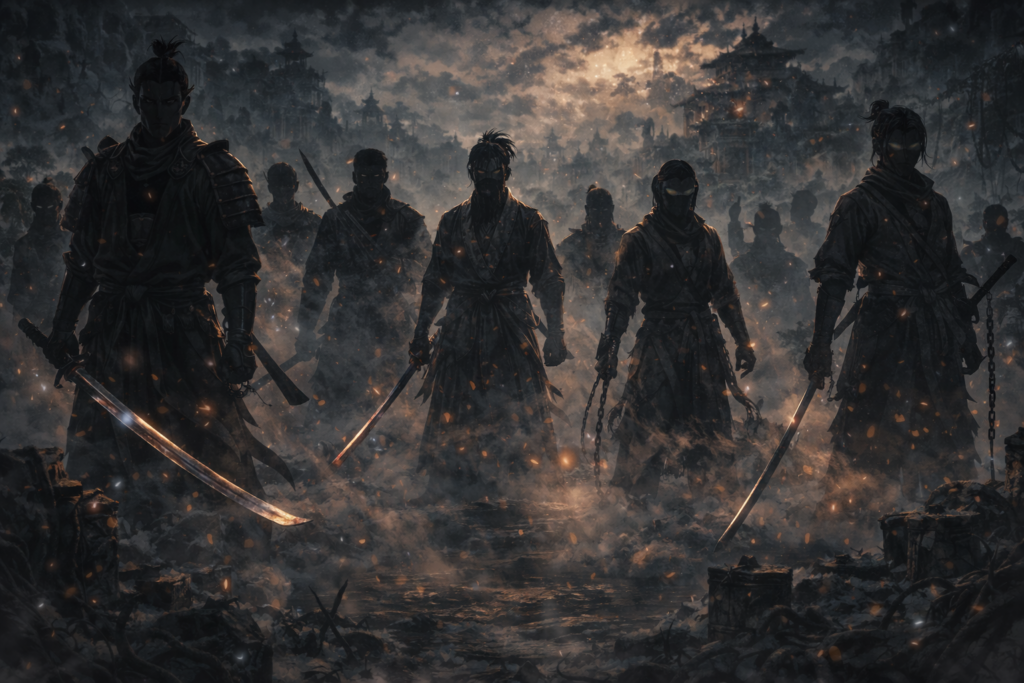
The mission is no longer about finding immortality. It’s about escaping a system that consumes lives without remorse.
Final Thoughts
Hell’s Paradise Season 2 doesn’t just escalate the violence—it deepens the meaning. These episodes ask a chilling question:
If immortality requires the destruction of countless souls, is it a blessing… or a beautifully disguised curse?
Frequently Asked Questions (FAQ)
Q1: Is Hell’s Paradise Season 2 darker than Season 1?
Yes. Season 2 focuses more on psychological horror, identity loss, and moral corruption rather than pure survival.
Q2: Why is Gabimaru weaker in Season 2?
His power depends on emotional balance. Losing his memories destabilizes his Tao, making him reckless and unfocused.
Q3: What exactly is the Elixir of Life?
It’s a distilled life force created by transforming humans into plant-based vessels and harvesting their souls.
Q4: Are the Tensen villains or victims?
Both. They are products of cruel experimentation, but they perpetuate the same system without remorse.
Q5: Is Sagiri’s role more important now?
Absolutely. She is key to Gabimaru’s emotional survival and represents a human alternative to the island’s inhuman logic.
If you enjoy anime that blends philosophy, horror, and emotional depth, Hell’s Paradise Season 2 is shaping up to be one of the most unforgettable arcs yet.
Read….. Jujutsu Kaisen Season 3 Episode 5 Review
About the Author