The anime and manga community has just experienced the culmination of an era. Chainsaw Man, the wildly popular manga by Tatsuki Fujimoto, has officially wrapped up with CHAPTER 232 which dropped earlier this week.
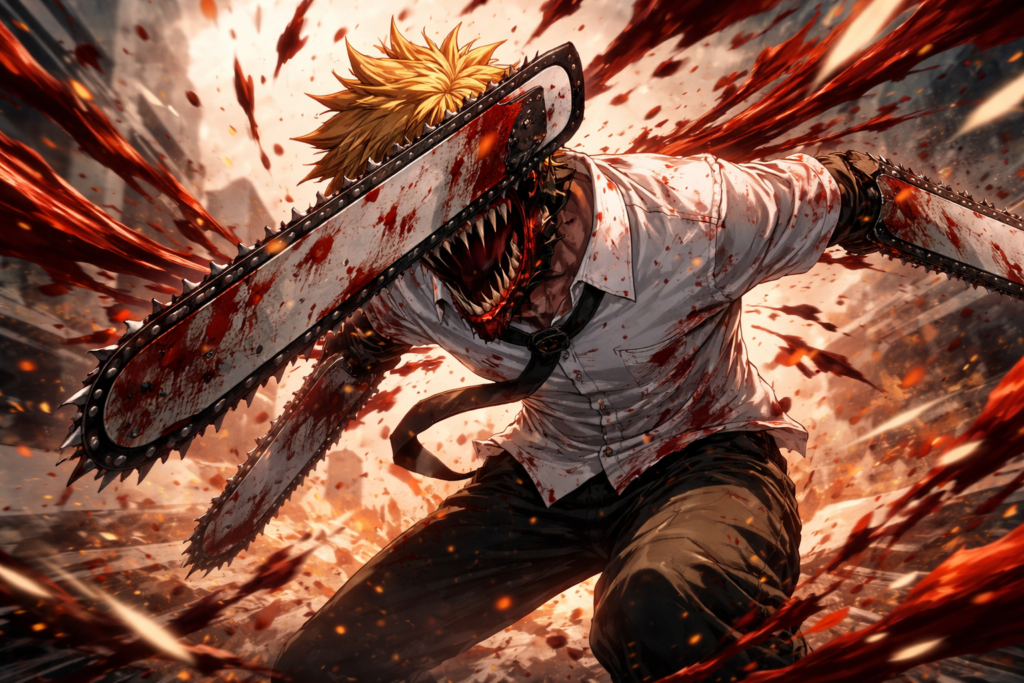
This moment is a bittersweet one for millions of fans around the world — representing both a stunning conclusion and the end of one of the most unusual storytelling journeys in modern manga.
A Cultural Phenomenon Ends 🔥
Chainsaw Man has always been unique since its introduction, with dark storytelling, unpredictable plot twists, and emotionally raw characters.
Fujimoto wrote a story that was different from what we usually get in traditional shonen manga:
Brutal action
Psychological depth
Existential themes
Dark humor
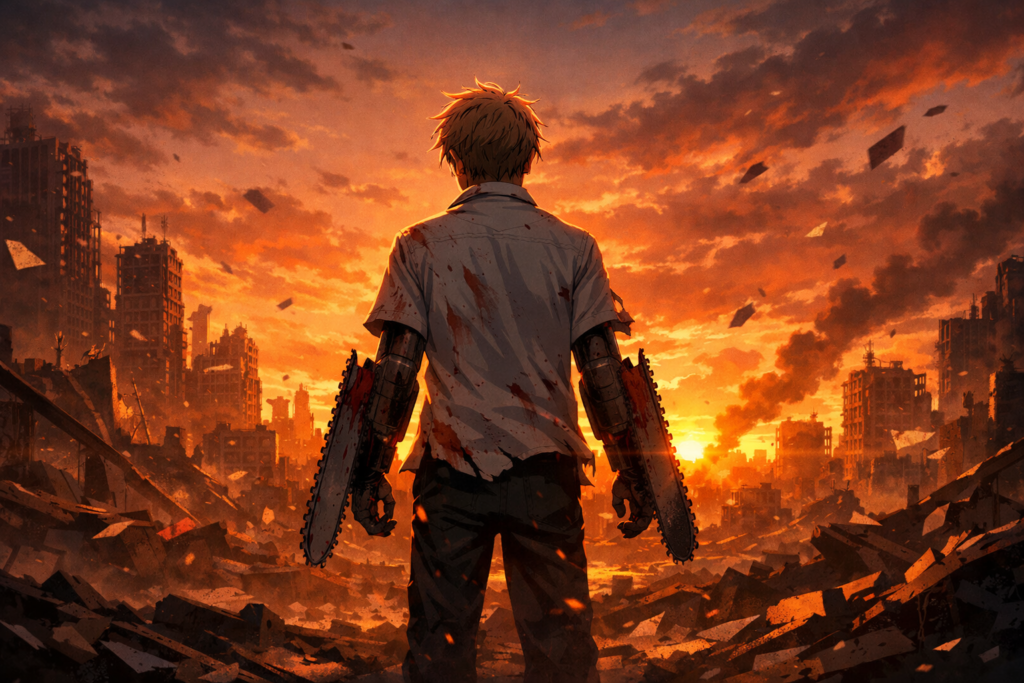
The tale of Denji—a boy turned devil hunter with chainsaw powers—became something much deeper than anticipated.
By the time Chapter 232 dropped, the manga had:
Sold millions of copies globally
Sparked a phenomenally popular anime adaptation
Constructed one of the more fiery fanbases in recent memory
⚡ What Goes Down in Chapter 232?
Without getting high into spoiler territory, Chapter 232 does well to provide an emotional response as a conclusion.
Fans can expect:
Closure to major character arcs
Intense final confrontations
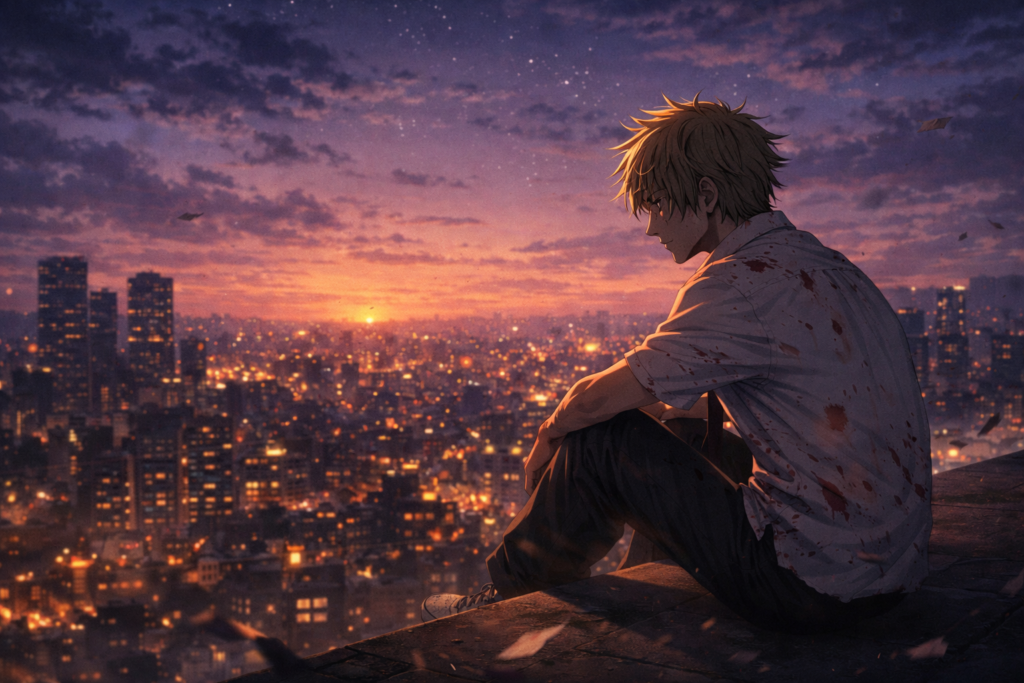
A reflective tone that connects back to the story’s central themes
Fujimoto’s signature style holds true to form until the very end — unpredictable, audacious and emotively powerful.
Readers are already telegraphing the ending:
“Bittersweet, apocalyptic and quintessential Chainsaw Man.”
💔 Why Fans Are Emotional
The conclusion of Chainsaw Man goes hard, but it wasn’t just a story — it was an experience.
Here’s what has fans reacting so strongly:
Relatable struggles: I could really relate to Denji’s wish for a simple life
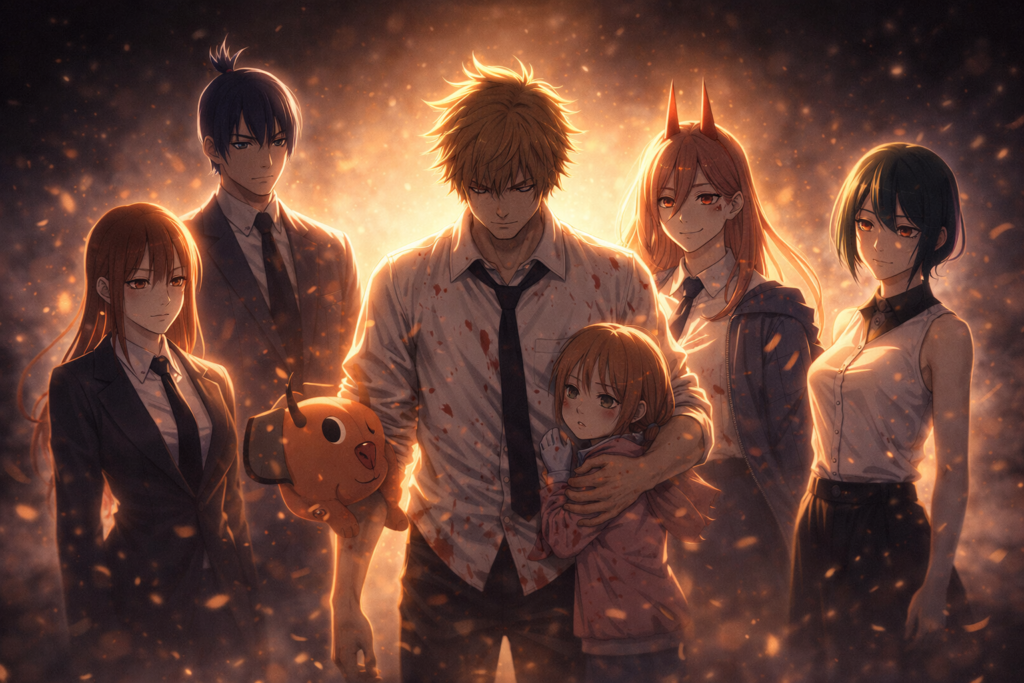
Unpredictable storytelling: No character ever seemed really safe
Philosophical overtones: Themes of control, freedom and identity
For many, this manga was not merely entertainment — it was a reflection of the chaos and thirst of real life.
🌍 Impacts on the Manga Industry
Chainsaw Man didn’t merely succeed—it redefined modern manga storytelling.
Key Contributions:
Broke traditional shonen tropes
Popularized darker, mature narratives
Influenced newer creators and series
Increasing worldwide attention on alternative manga
Its success also demonstrated that audiences are open to riskier, more experimental storytelling.
🚀 Onward From Chainsaw Man, What Now?
Though the manga has come to an end, this franchise is far from finished.
Fans can still expect:
Future anime seasons and adaptations
Fujimoto with potential spin-off or one-shot
Everlasting universal appeal via streaming and merchandise
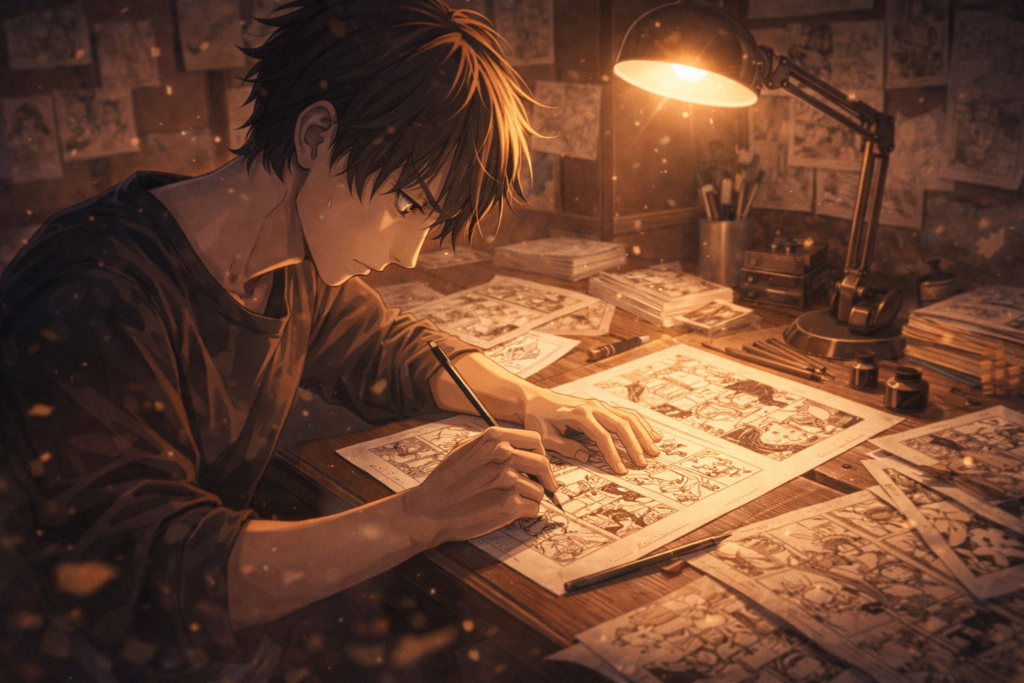
If you’re on the artistic side of things, many think:
“This is not the end — it’s only a transition.”
❤️ Final Thoughts
Chainsaw Man finishing in chapter 232 would become quite a monumental event for that reason in the manga world.
It leaves behind a legacy of:
Fearless storytelling

Deep emotional resonance
A fandom that really will continue the legacy
What you loved it for—the chaos, the characters, the philosophy—Chainsaw Man will never not be memorable.
❓ Frequently Asked Questions (FAQs)
- Is Chainsaw Man officially over?
Yes, the manga ended with Chapter 232, closing out the main story.
- Who created Chainsaw Man?
The manga was created by manga artist Tatsuki Fujimoto.
- Will there be any more Chainsaw Man stuff?
Anime adaptations can take place and future project as we know manga has finished.
- Is the ending satisfying?
Fan responses are mixed but overwhelmingly positive, calling it emotional and unlike anything else and true to the series.
- Where is Chainsaw Man available to read?
It is available to be read on official manga sites such as Shonen Jump and licensed digital apps.
If you’ve been following Denji’s journey since the beginning, this ending probably feels personal. And if you’re new — well, now could be the ideal time to witness one of the most memorable manga stories ever told.
Read ………. One Piece Chapter 1177: The Elbaf Bloodbath Explained (Full Breakdown & Theory)
About the Author